Lorry Transport Services in Malaysia: Solutions for Construction Projects
February 12, 2026
Advantages of Hollow Steel Sections for Structural Use in Modern Builds
March 25, 2026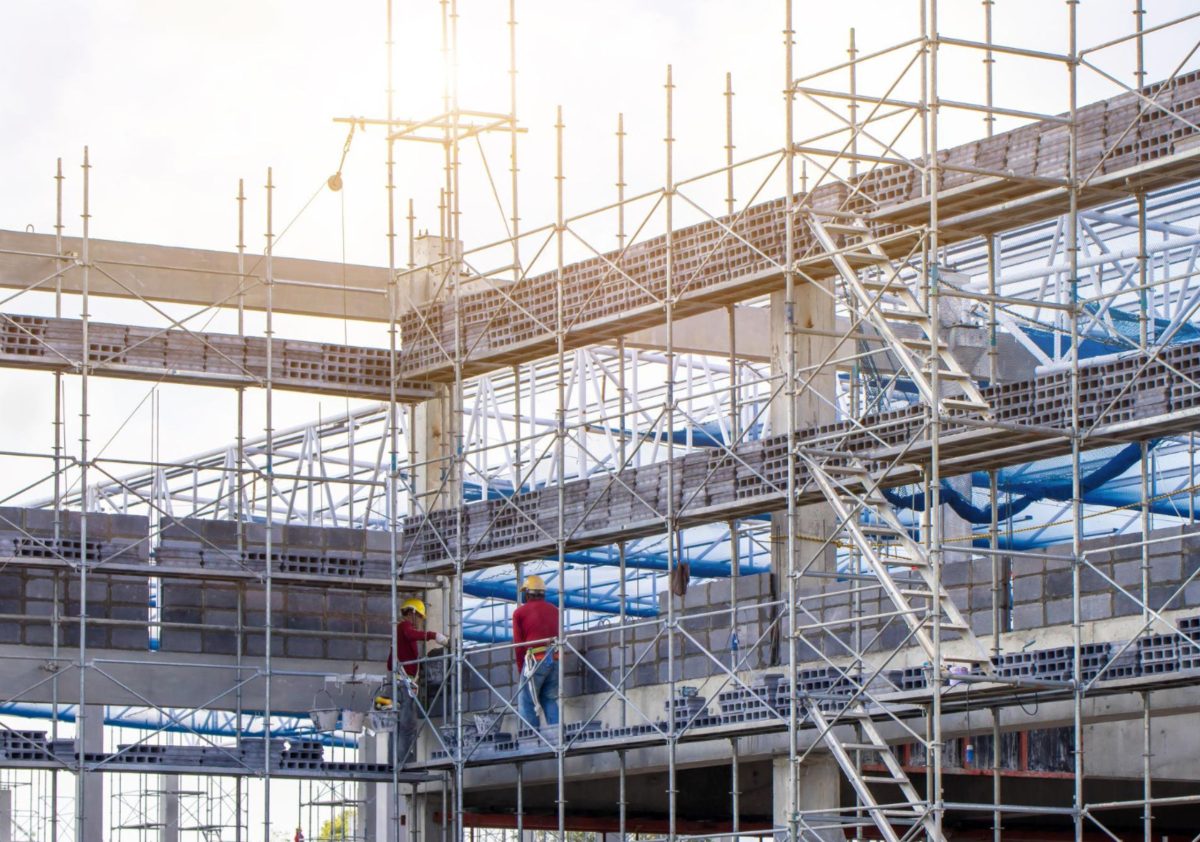
Construction Scaffolding Guide: What It Is and Where It’s Required
Some projects may proceed with minimal access support. Others cannot move forward without proper construction scaffolding in place.
Work at height, façade installation, structural upgrades, and large-scale maintenance require stable temporary platforms to keep teams productive and sites organised. When access is not planned early, delays, safety concerns, and coordination issues often follow.
Let’s have a look at how to identify project types that depend on scaffolding, allowing contractors and project owners to plan ahead and keep site progress steady.
Why Certain Projects Depend on Proper Construction Scaffolding
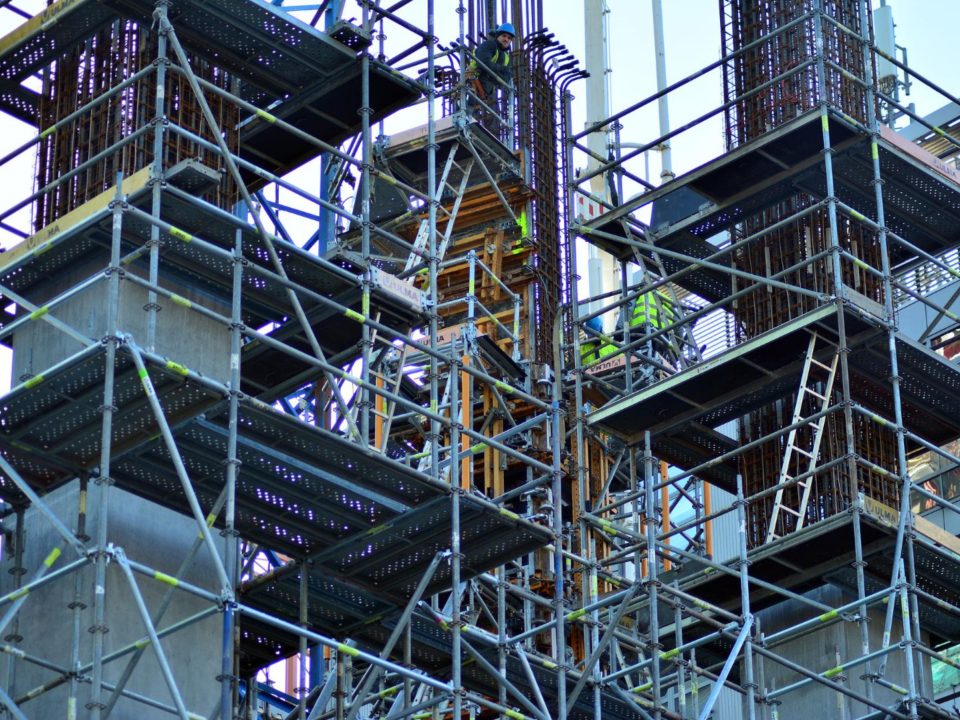
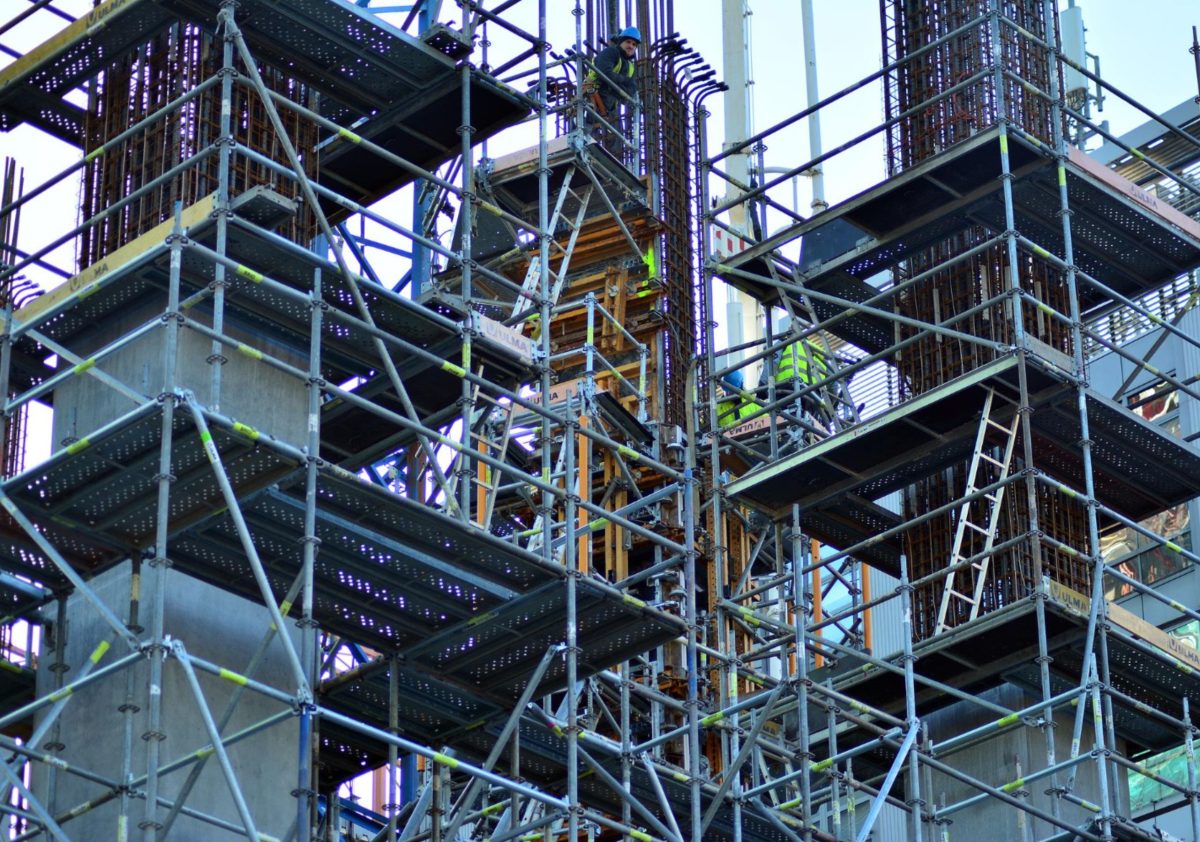
Certain works involve height, wide surface areas, or multi-level coordination that cannot be handled safely with basic temporary access. In these situations, proper construction scaffolding becomes essential for work to continue without disruption.
When platforms are unstable or insufficient, movement on site becomes awkward and time consuming. Materials are harder to manage, supervision becomes less efficient, and teams end up making repeated access adjustments. This interrupts workflow and gradually slows overall progress.
Façade installation, structural framing, waterproofing, and other large exterior works rely on dependable access to maintain steady site operations.
When scaffolding is in place early, site operations stay organised and work can proceed according to schedule instead of reacting to access constraints.
1. Access Solutions for Large-Scale Commercial Builds

Commercial buildings like offices, retail units, warehouses, and factories rarely progress on a single level. Work spreads vertically and moves in phases, especially during exterior cladding, façade treatment, and finishing stages. Without proper access in place, productivity quickly drops.
As trades come in according to schedule, access needs to support smooth transitions instead of causing bottlenecks. Well-planned scaffolding keeps movement organised, reduces clashes between teams, and helps longer commercial projects stay aligned with their intended timeline.
2. High-Rise Projects That Require Full-Height Access
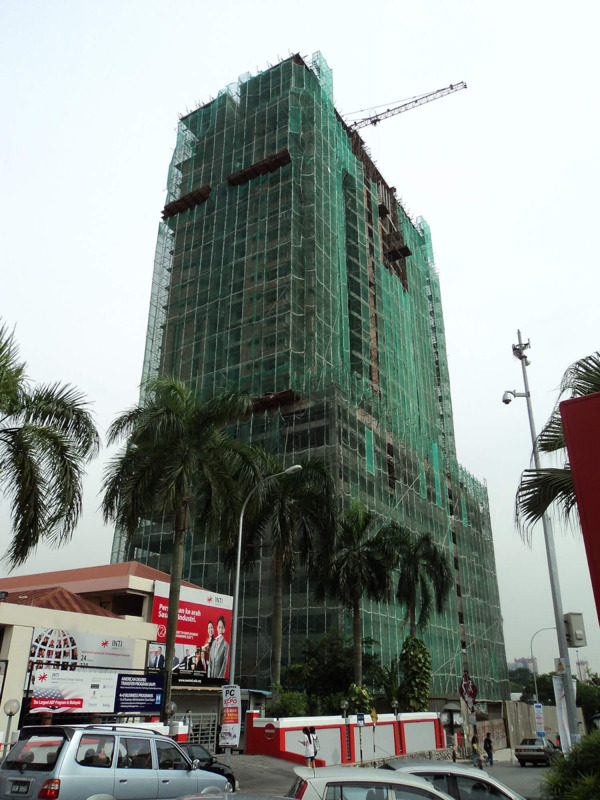
High-rise residential projects place crews at different elevations throughout the construction cycle. External finishing and façade elements often span the full height of the building, which means access must extend consistently from lower floors to upper levels.
When several trades operate at once, space becomes tight, and movement needs to be controlled. A properly arranged scaffolding system provides designated working areas, supports clearer site organisation, and helps teams carry out tasks safely within active residential surroundings.
3. Managing Access in Active Renovation Sites
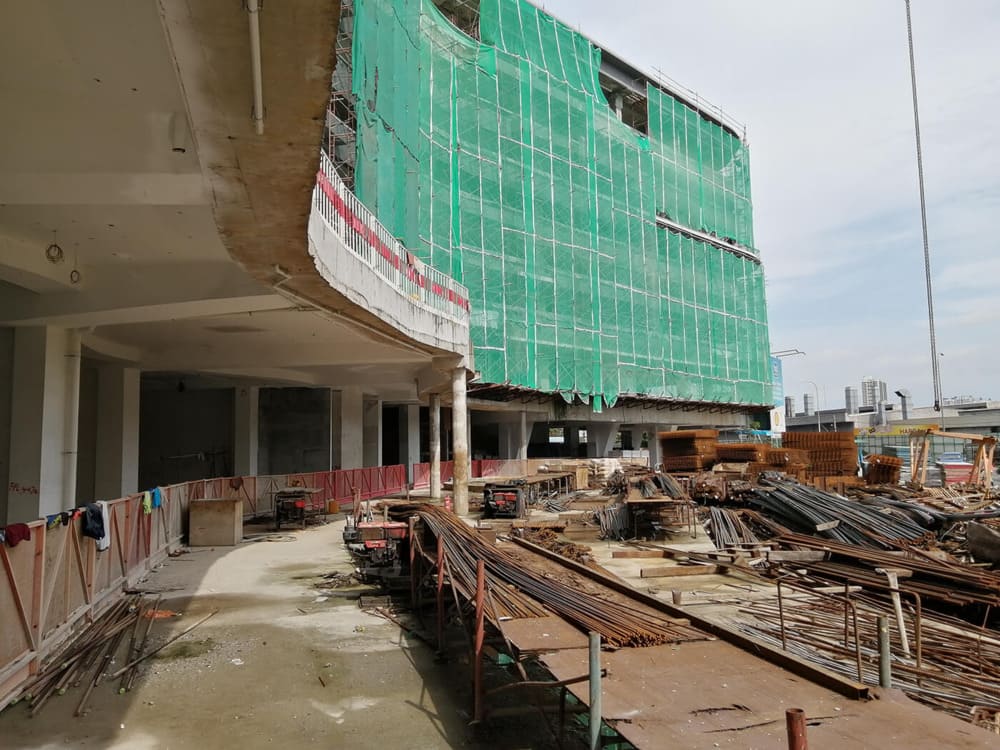
Renovation and upgrade works are usually carried out within existing buildings where space is already constrained. Strengthening works, façade repairs, and internal alterations often require stable platforms so crews can operate safely within tight surroundings.
Many refurbishment projects run alongside daily operations, which leaves little room for disruption. A properly planned scaffolding setup helps contain the work area, manage movement more effectively, and support steady progress without affecting nearby occupants or activities.
4. Keeping Large Infrastructure Projects Organised and Safe
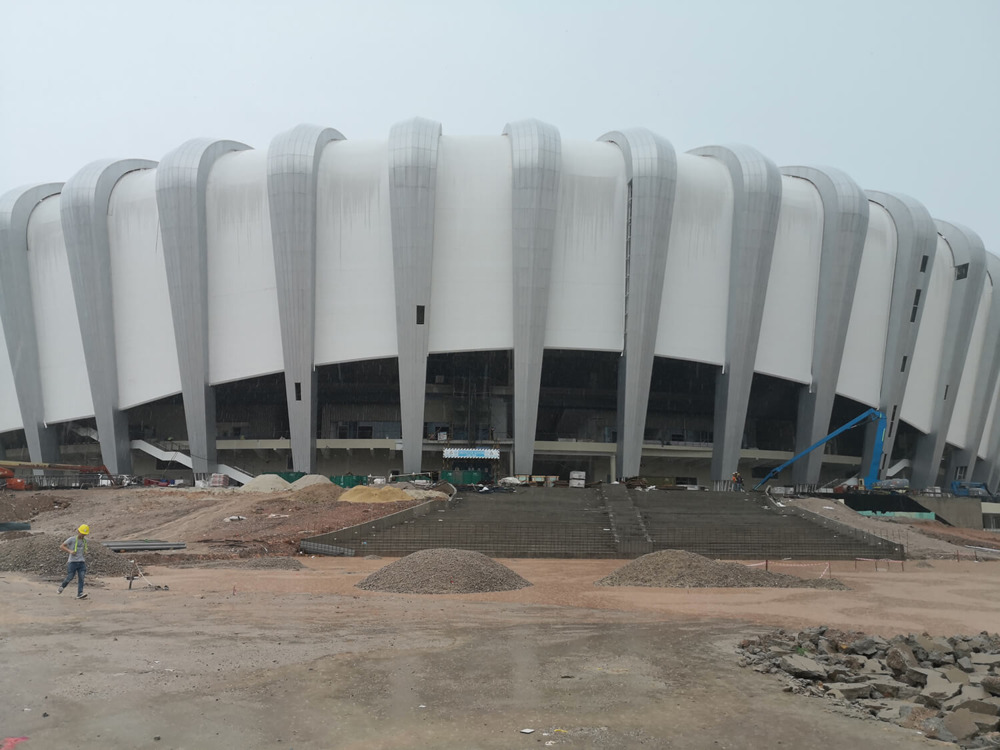
Infrastructure projects such as bridges and elevated structures are built around irregular shapes, varying heights, and open spans.
Access points are rarely straightforward, and ground conditions are not always even. In industrial facilities, equipment, piping systems, and confined spaces add another layer of constraint.
In these environments, basic access methods are simply not practical. Scaffolding must be arranged to suit the structure itself, allowing crews to reach specific sections safely and carry out their tasks without constant repositioning or workaround solutions.
JS Group supports each project with customised solutions for scaffolding in Malaysia planned around actual site conditions, project scale, and work sequencing, delivering stable access that keeps progress steady and operations organised.
5 Warning Signs Your Project Needs Scaffolding
In many cases, the need for scaffolding becomes clear only after challenges start to surface on site. Common signs include:
- Work progress begins to slow because access is limited
- Trades struggle to coordinate tasks across levels
- Temporary solutions need constant adjustment
- Safety concerns are raised during inspections
- Labour time increases due to repeated setup changes
What initially appears manageable often creates pressure on schedules and site teams. Bringing in proper scaffolding at this stage helps restore order, but early planning would have avoided these disruptions altogether.
Explore your options for rent scaffolding, understand proper scaffolding safety practices, and review the full scaffolding inspection checklist to plan your project with greater clarity and control.
Keep Projects on Track with Early Scaffolding Support by JS Group
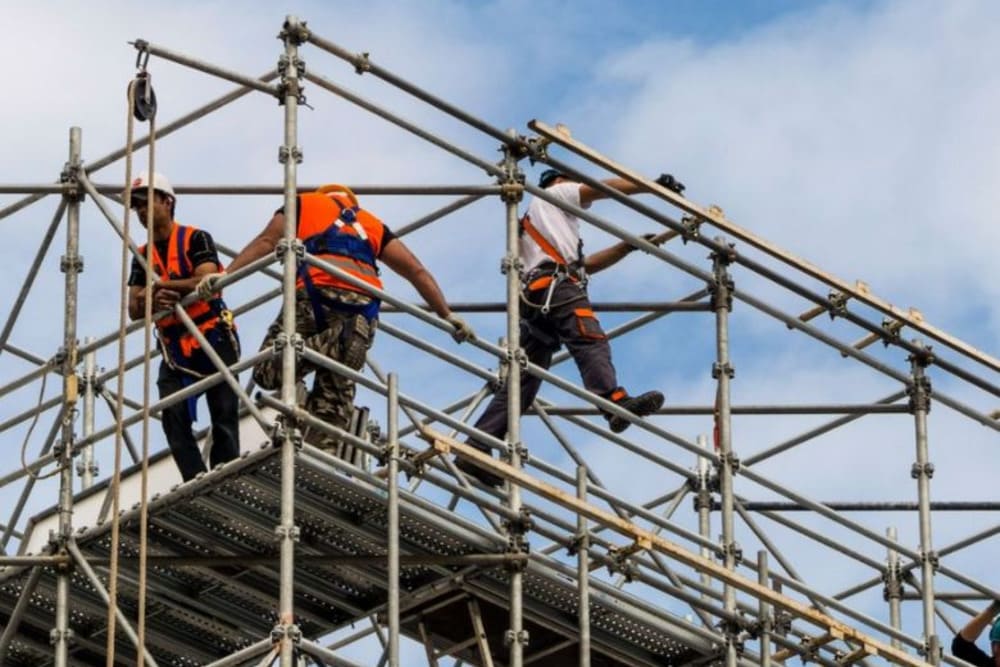
Scaffolding decisions made late often lead to rushed installations, repeated adjustments, and avoidable downtime. When access is only considered after work begins, coordination between trades becomes harder and timelines come under pressure.
Engaging JS Group early allows scaffolding installation to be planned alongside the construction schedule. Our team assess site conditions, project scale, and work sequencing to design customised access solutions with types of scaffolding that support actual workflow on site.
With proper planning and phased installation, scaffolding aligns with each stage of the project. This reduces unnecessary dismantling, improves trade coordination, and keeps site progress steady without disrupting ongoing works.
Move Your Project Forward with Structured Access
Each project comes with its own access challenges. Commercial buildings, residential towers, and refurbishment works do not follow the same sequence or site conditions. Recognising those differences early helps prevent avoidable disruptions once work is underway.
Access planning should move in step with the construction schedule and the realities of the site. When it is coordinated properly, scaffolding supports daily operations instead of interrupting them, giving project teams clearer control over workflow and timelines.
Contact JS Group to plan your access strategy for tailored scaffolding solutions designed around your specific project requirements